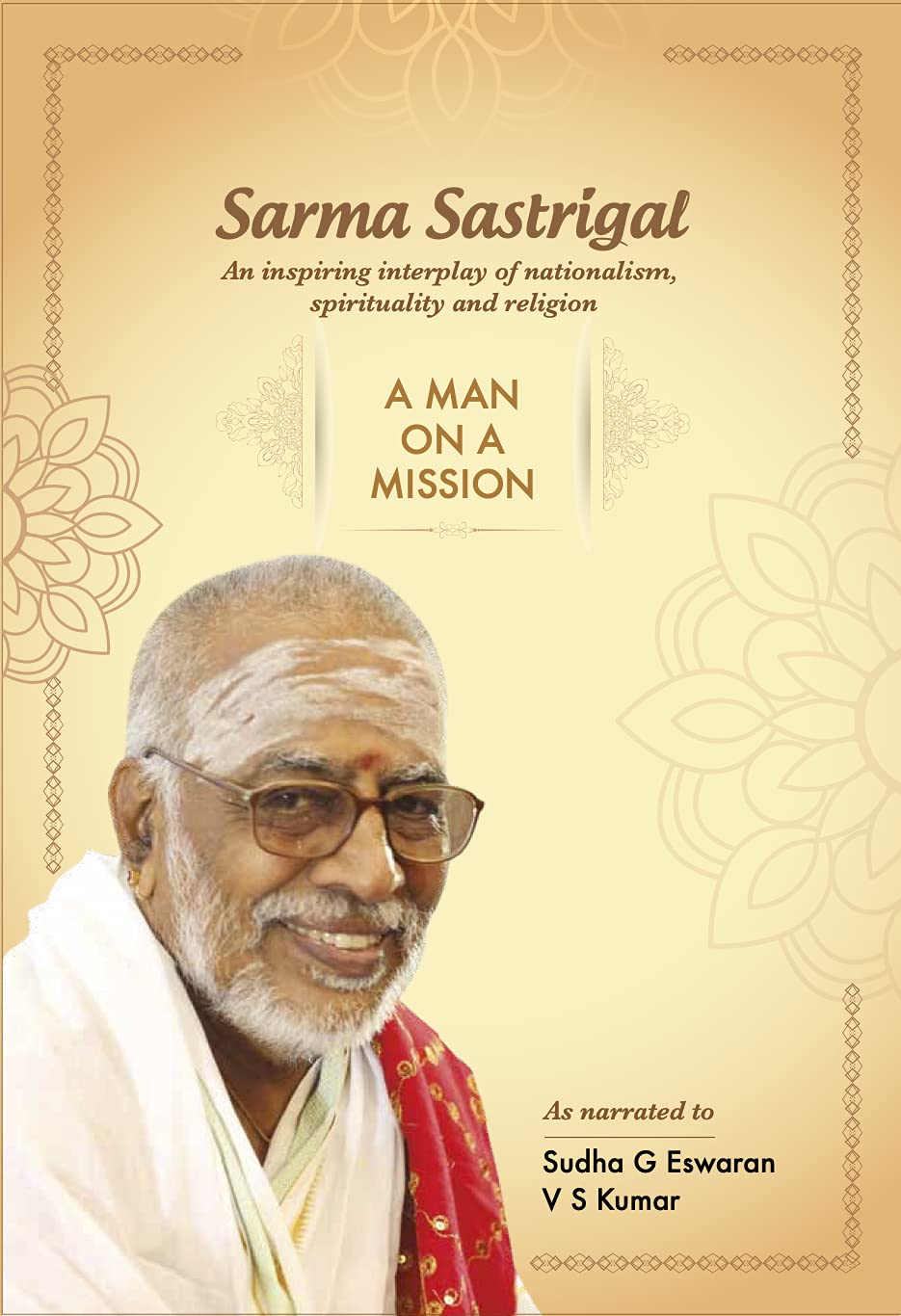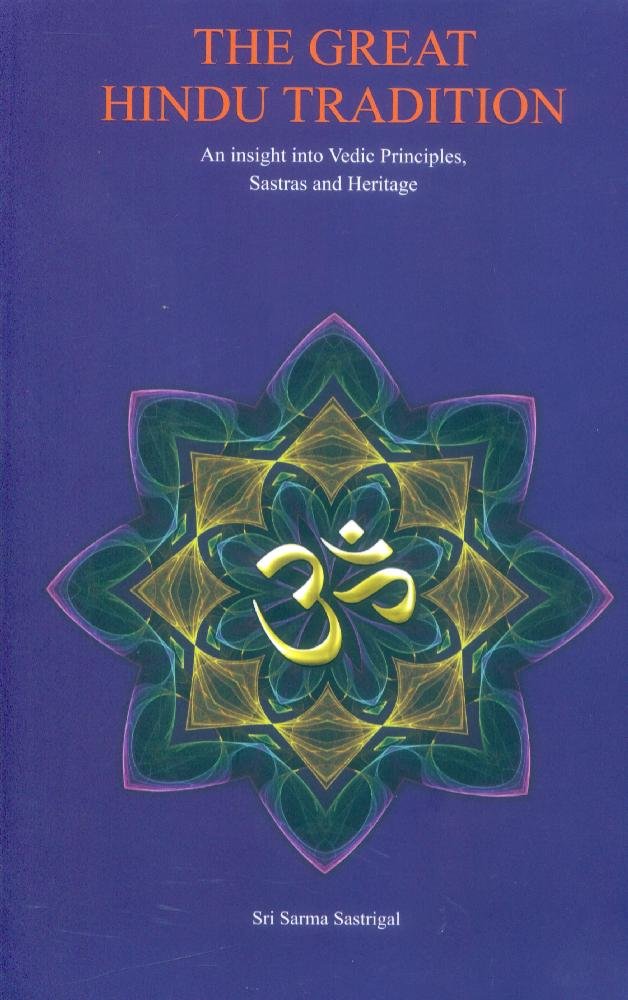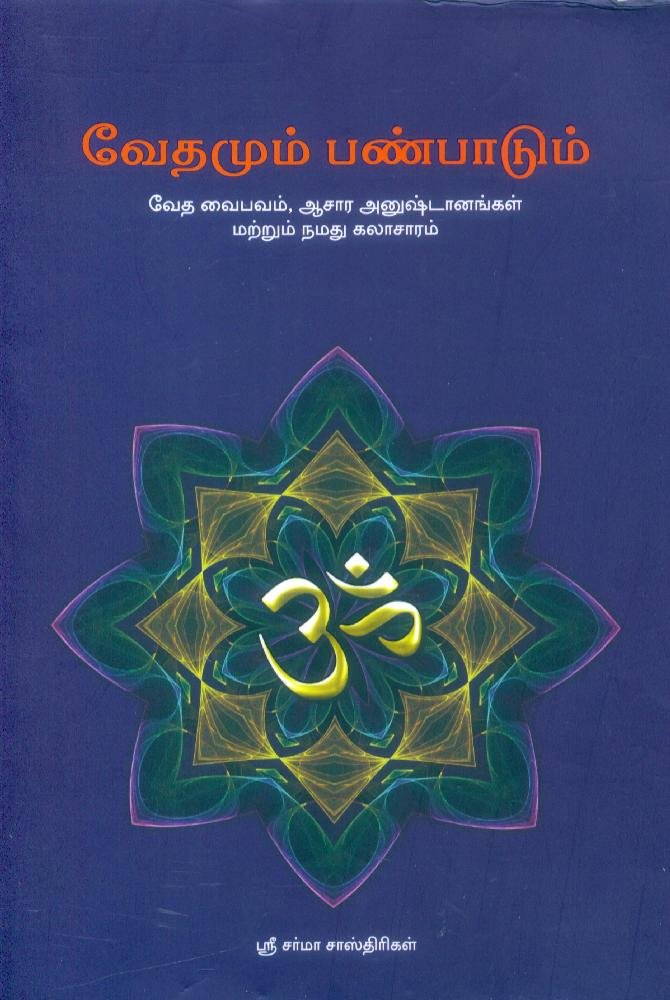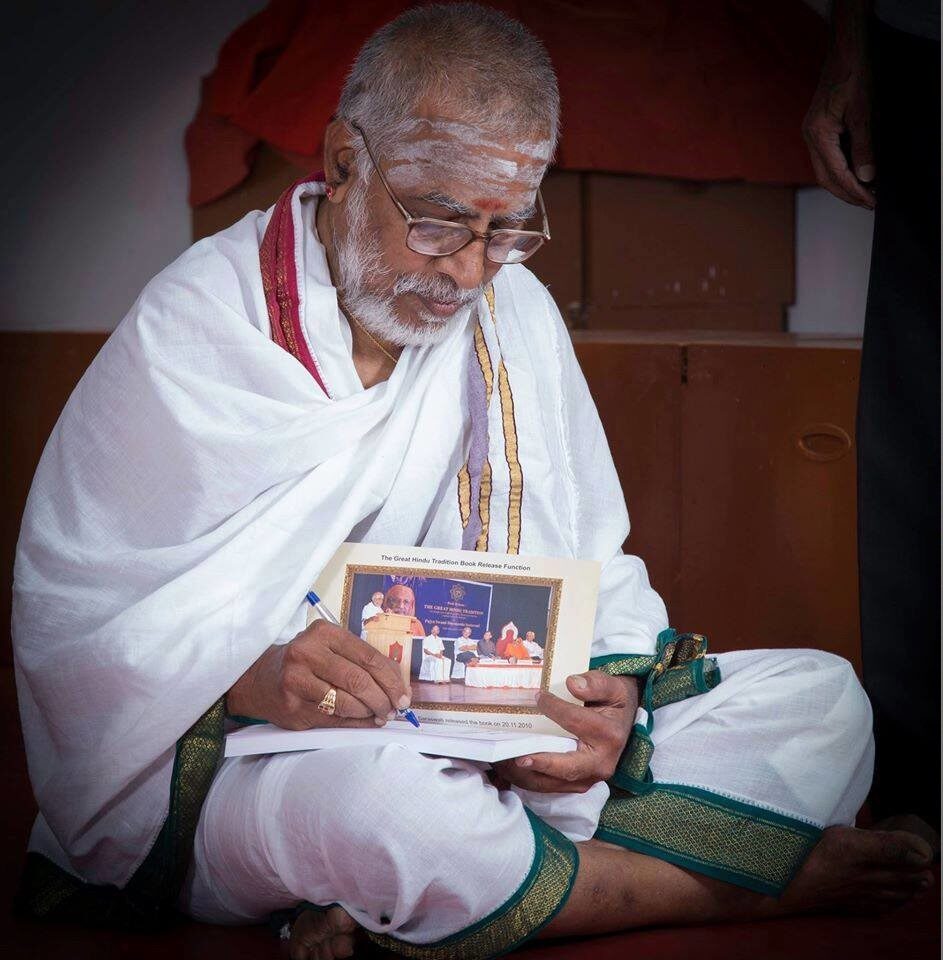
 A decade ago, cancer treatment was rudimentary and taxing. During his year-long recovery from chemotherapy, Sarma Sastrigal decided to write a book in English titled The Great Hindu Tradition, aiming to document Hindu rituals, correct misconceptions, and address common questions from practitioners.
He initially began writing the book manually using color-coded pads but later transitioned to using a desktop computer, thanks to a friend, Sundar, who also arranged for tech support and work space. With help from his acquaintance Kumar, who translated and edited the content, Sarma completed a 500-page manuscript.
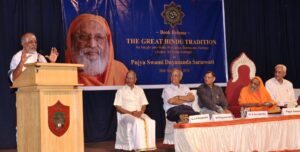 Sundar advised him to condense it to 200 pages to make it more reader-friendly. Reluctantly, Sarma Sastrigal complied, with Kumar’s help, and the shorter version was successfully published in 2010. Blessed by Swami Dayananda Saraswati, the book has since seen multiple editions and continues to be well-received both in India and abroad.
The unused material later found life in YouTube lectures and social media posts.
Three aspects of Sarma Sastrigal’s style and format:
- Bilingual Approach
He ensures his works are available in multiple languages, thus making them more accessible to a global audience. Recognizing that even few of Tamil people do not read Tamil fluently, - Simplified, Practical Spiritual Guidance
Instead of delving into complex theological dissertations, the focus is on making spiritual observances easy to understand and follow. The books aim to guide those who wish to embrace their faith but may not know where to begin. - The topics covered fall in two broad categories – rituals and holy destinations.
Rituals:
 Antyeshti Apara Karma
Nitya Panchayatana Pooja
Yagnopaveetam / Poonal
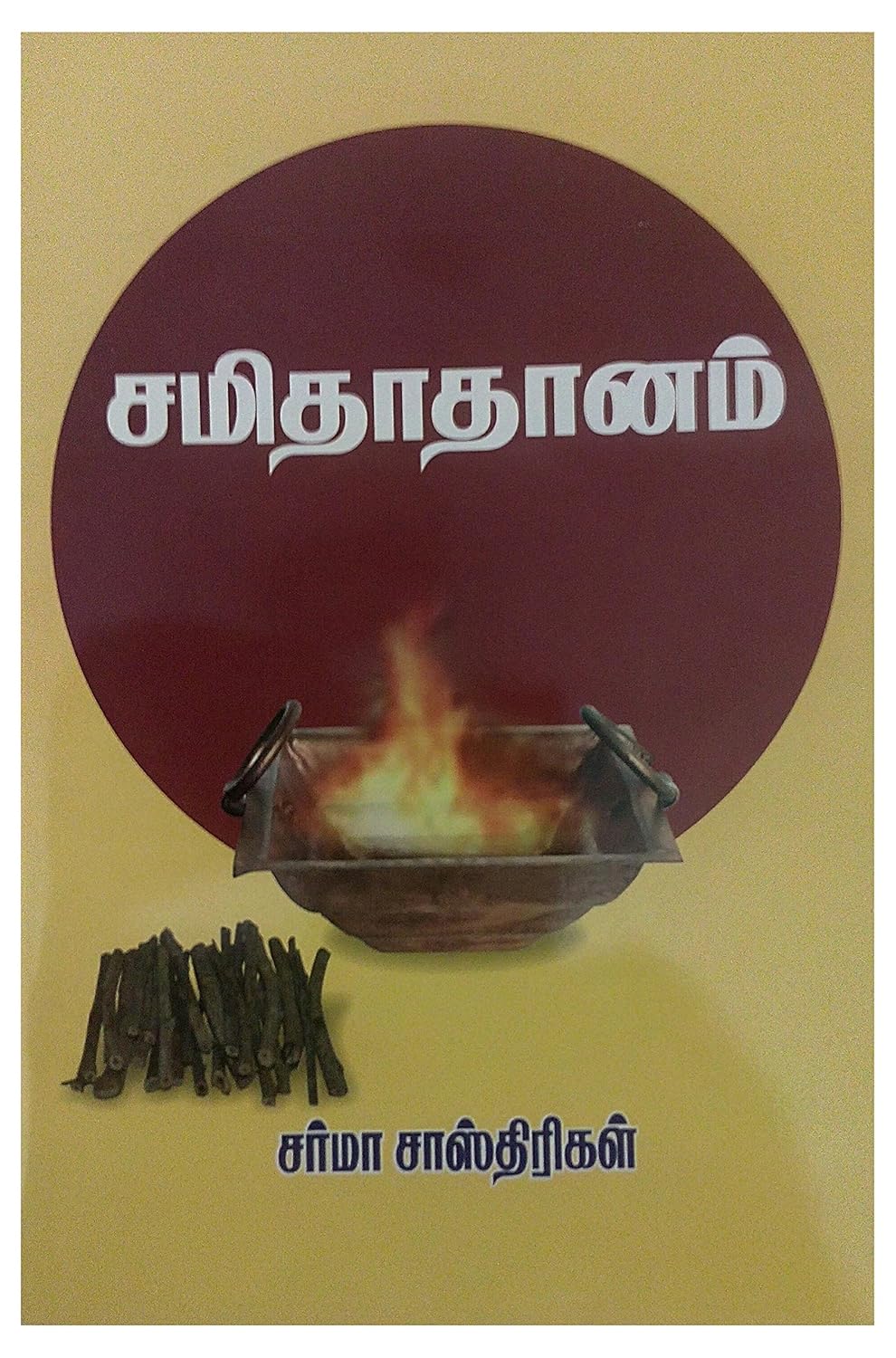
Samita daanam
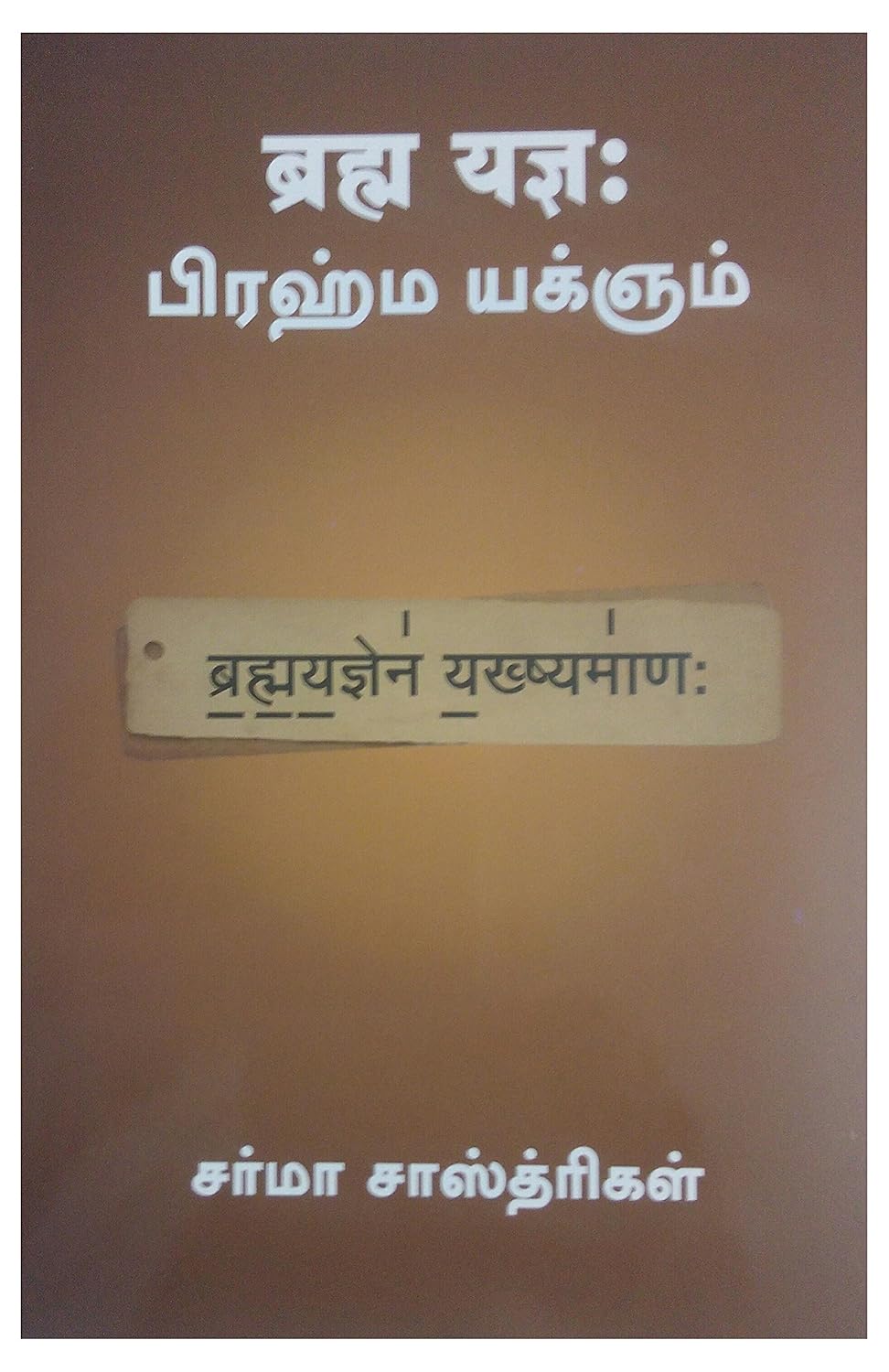
Brahma Yagnam – Why? What for? How?
Aachamanam
Holy Destinations:
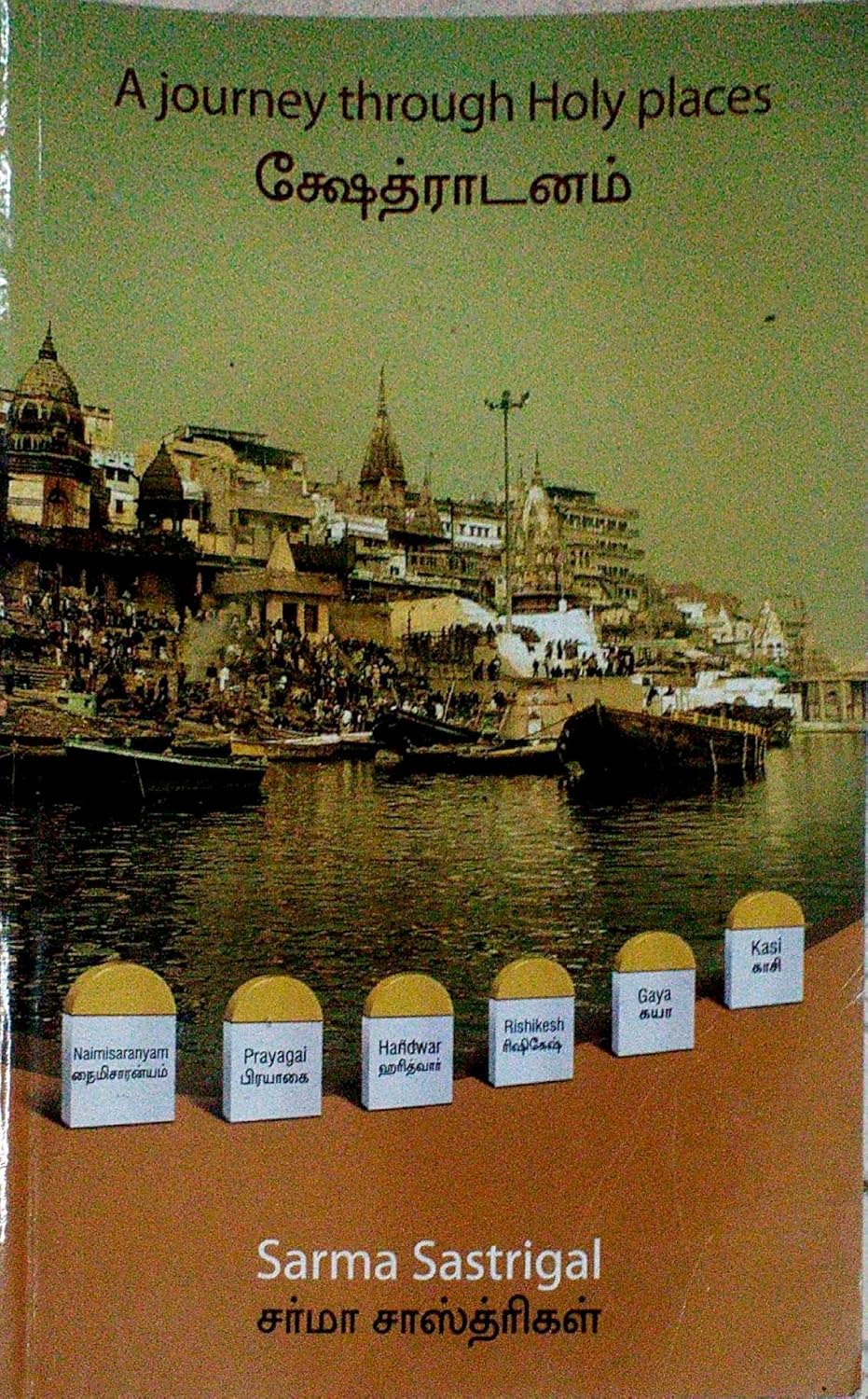
Kshethradanam – A Journey through Holy Places
Gaya Sraaddh
His omnibus editions are books that combine a variety of topics:
The Great Hindu Tradition
Vedhamum Panbaadum, Tamil translation of ‘The Great Hindu Tradition’
Ahnika Deepika, comprising Yagnopaveetam, Samita daanam, Parishechanam, Brahma Yagnam and Aachamanam
Written on special subjects that are close to his heart:
Kumkuma Tilaka Dharana Mahimai – Significance of Kumkuma tilak on the forehead
Bahishta Dharmaha
Vaideeka Maargaththil Streegal Dharmam
Devotional Contributions:
Works like Sri Subrahmanya Bhujangam preserve devotional texts with transliterations and explanations, making them more accessible.
Biographies, such as the book on Appayya Dikshitar, bring forgotten spiritual figures back into focus.
This work serves as both a practical guide for spiritual seekers and a cultural preservation effort, ensuring that Hindu traditions remain alive and relevant in contemporary times.