
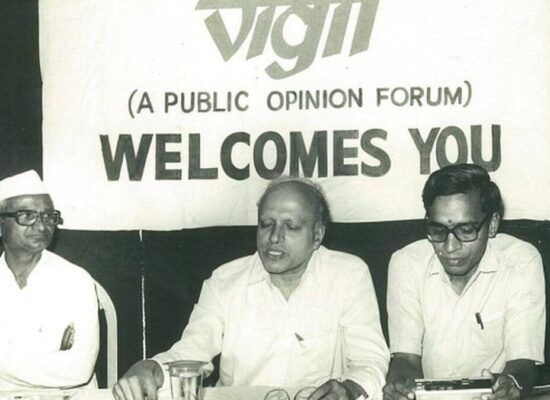
The first transformative event in his life was his decision to become a pracharak with the RSS in 1970. Quitting a secure job at an insurance company in Chennai (then Madras), he embraced a life of national service, reinforcing his belief that forsaking personal comforts strengthens one’s dedication to public service. However, this was not an impulsive decision but rather an organic evolution, deeply rooted in his childhood association with the RSS.
As a pracharak, he led an RSS shakha, instilling national pride in young minds. His father initially tried to dissuade him, emphasizing the financial impact on the family, especially with his sisters’ marriages pending. However, Sarma Sastrigal was resolute. He felt that if he postponed his decision, his passion might wane. He was determined to act while the fire within him burned brightly.
The subsequent five years were filled with experiences far removed from the conventional life of a Tamil Brahmin (Tambram). Financial constraints, minimal facilities, and moments of frustration were inevitable. Yet, the privilege of working with great national leaders and the sheer joy of serving Mother India far outweighed these hardships. Through this journey, he emerged as a true sevak.
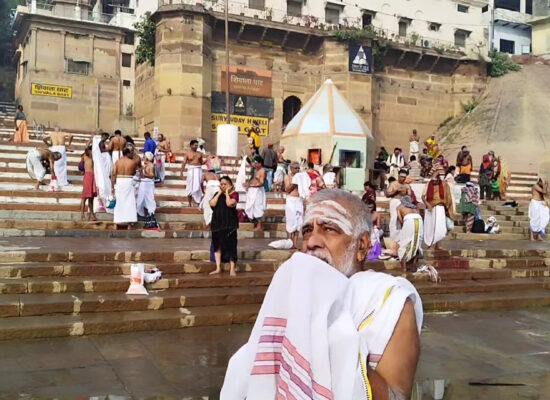
The second milestone in his life came in 1995 when he resigned from his position at Ashok Leyland after 15 years of service to embrace vaideekam—his ancestral profession. The transition was not pre-planned but the result of an intense three-year period of learning under his father. His training encompassed not only the Vedas but also the intricate details of performing poojas, tarpanams, sraaddhas, and other rituals.
A crucial influence during this phase was his mentor, Sankaranji. Though Sankaranji never explicitly advised him to take up vaideekam, he suggested that Sarma Sastrigal spend more time with his father. This seemingly simple suggestion led to a transformative journey. One day, on an Amavasya, when his father was too ill to conduct a tarpanam, Sarma Sastrigal stepped in to guide those who had gathered. This moment marked his transition into a full-time vaideeka. With time, he became known as Sarma Sastrigal, the most sought after Vaideeka (revered priest).
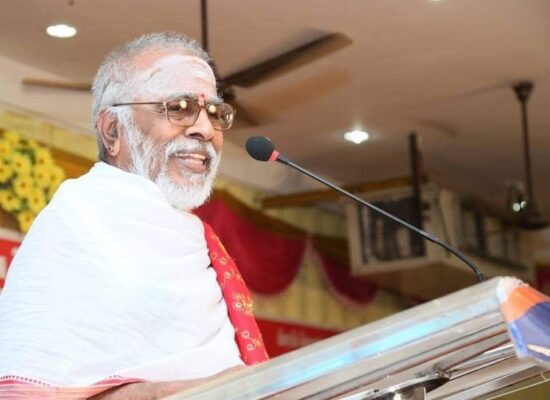
The third transformation occurred when he was nearing sixty. By then, he was a sought-after ‘aathu vadhyar’, deeply immersed in his work. However, a persistent thought nagged him—was this all he was meant to do? He was probing ways to integrate his RSS background and nationalistic dedication into his role as a vaideeka. Could he integrate his RSS experience and nationalistic dedication into his role as a vaideeka?
The answer came unexpectedly through a friend who expressed concerns about performing rituals incorrectly or neglecting them due to ignorance. As Sarma Sastrigal patiently clarified his friend’s doubts, he realized his true calling—educating and guiding people in religious practices. He saw a larger need in society for simplified, practical explanations of Vedic traditions.
Thus began his next journey—as a mentor, educator, and trainer in Hindu karmas, poojas, and practices. He reached out to people individually and in groups, offering them the knowledge they sought. His workshops and online sessions not only helped people fulfil their religious responsibilities but also deepened their understanding of their traditions.
Through all these transformations, Sarma Sastrigal sees the unmistakable presence of the Divine. He believes it is Bhagavat Sankalpa that has guided each phase of his journey.
This, in essence, is the story of Sarma Sastrigal—a life shaped by three major transformations over seven decades and a journey that continues to evolve.
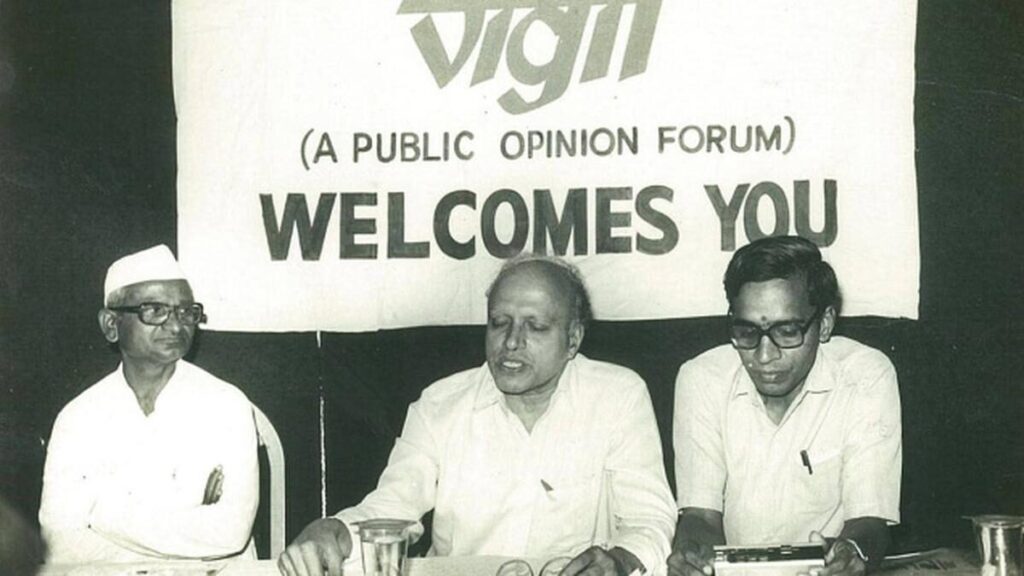
The first transformative event in his life was his decision to become a pracharak with the RSS in 1970. Quitting a secure job at an insurance company in Chennai (then Madras), he embraced a life of national service, reinforcing his belief that forsaking personal comforts strengthens one’s dedication to public service. However, this was not an impulsive decision but rather an organic evolution, deeply rooted in his childhood association with the RSS.
As a pracharak, he led an RSS shakha, instilling national pride in young minds. His father initially tried to dissuade him, emphasizing the financial impact on the family, especially with his sisters’ marriages pending. However, Sarma Sastrigal was resolute. He felt that if he postponed his decision, his passion might wane. He was determined to act while the fire within him burned brightly.
The subsequent five years were filled with experiences far removed from the conventional life of a Tamil Brahmin (Tambram). Financial constraints, minimal facilities, and moments of frustration were inevitable. Yet, the privilege of working with great national leaders and the sheer joy of serving Mother India far outweighed these hardships. Through this journey, he emerged as a true sevak.
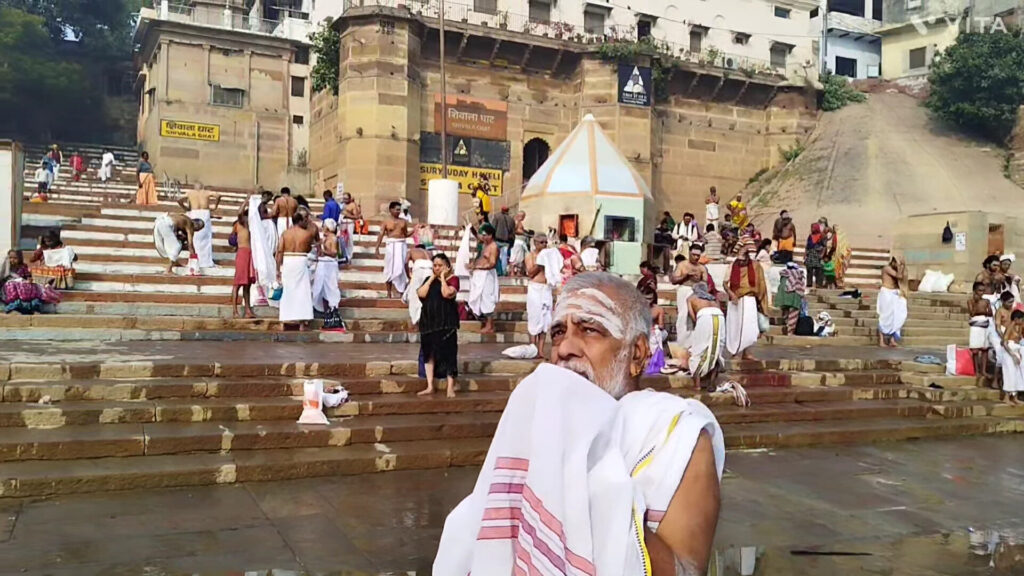
The second milestone in his life came in 1995 when he resigned from his position at Ashok Leyland after 15 years of service to embrace vaideekam—his ancestral profession. The transition was not pre-planned but the result of an intense three-year period of learning under his father. His training encompassed not only the Vedas but also the intricate details of performing poojas, tarpanams, sraaddhas, and other rituals.
A crucial influence during this phase was his mentor, Sankaranji. Though Sankaranji never explicitly advised him to take up vaideekam, he suggested that Sarma Sastrigal spend more time with his father. This seemingly simple suggestion led to a transformative journey. One day, on an Amavasya, when his father was too ill to conduct a tarpanam, Sarma Sastrigal stepped in to guide those who had gathered. This moment marked his transition into a full-time vaideeka. With time, he became known as Sarma Sastrigal, the most sought after Vaideeka (revered priest).
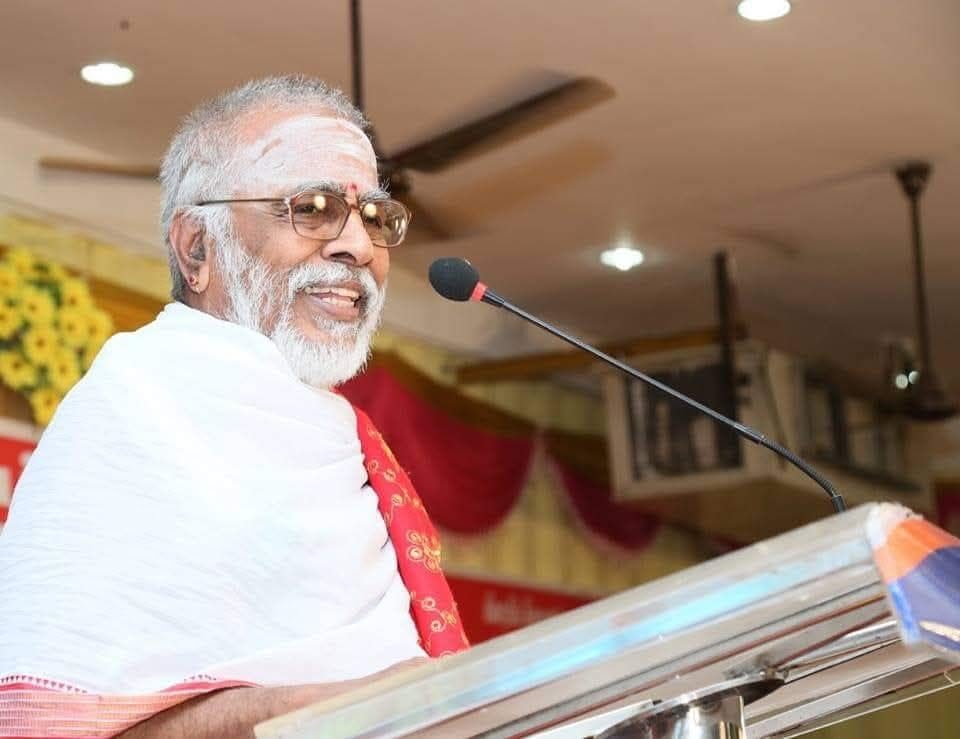
The third transformation occurred when he was nearing sixty. By then, he was a sought-after ‘aathu vadhyar’, deeply immersed in his work. However, a persistent thought nagged him—was this all he was meant to do? He was probing ways to integrate his RSS background and nationalistic dedication into his role as a vaideeka. Could he integrate his RSS experience and nationalistic dedication into his role as a vaideeka?
The answer came unexpectedly through a friend who expressed concerns about performing rituals incorrectly or neglecting them due to ignorance. As Sarma Sastrigal patiently clarified his friend’s doubts, he realized his true calling—educating and guiding people in religious practices. He saw a larger need in society for simplified, practical explanations of Vedic traditions.
Thus began his next journey—as a mentor, educator, and trainer in Hindu karmas, poojas, and practices. He reached out to people individually and in groups, offering them the knowledge they sought. His workshops and online sessions not only helped people fulfil their religious responsibilities but also deepened their understanding of their traditions.
Through all these transformations, Sarma Sastrigal sees the unmistakable presence of the Divine. He believes it is Bhagavat Sankalpa that has guided each phase of his journey.
This, in essence, is the story of Sarma Sastrigal—a life shaped by three major transformations over seven decades and a journey that continues to evolve.